GLP-1 Agonists and Intracranial Hypertension
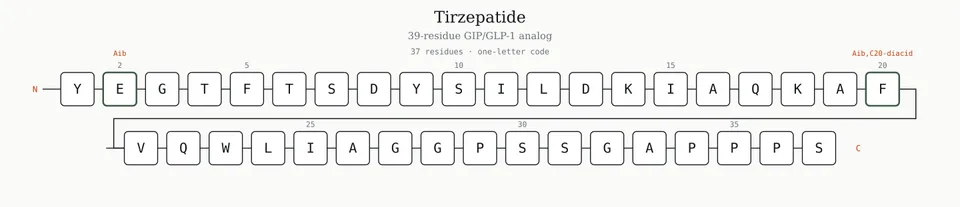
A systematic review and meta-analysis published in Headache examined the use of GLP-1 receptor agonists in idiopathic intracranial hypertension (IIH) [PMID 42619634]. The paper is a reminder that the incretin class is being studied across a widening set of indications — a trend worth tracking for anyone following where this research is heading.
Why this is interesting
IIH is a condition characterized by elevated intracranial pressure without a clear underlying cause, most often affecting adults with obesity. The rationale for studying GLP-1 agonists here is weight-related: substantial weight loss has been associated with improvement in IIH symptoms, and the dramatic weight reductions produced by this drug class make it a natural candidate for investigation.
The authors systematically collected and pooled the available evidence, which is what makes this a useful reference point rather than an isolated observation. When a review of this type appears, it usually signals that the literature has crossed a threshold — enough individual studies exist to make synthesis worthwhile.
The pattern across the class
What is striking about the current period is how quickly GLP-1-based compounds are accumulating evidence in areas beyond glycemic control and weight management: cardiovascular risk markers, psychiatric outcomes, now intracranial pressure. From a research standpoint, this is both encouraging and cautionary — encouraging because the mechanism appears to have broad effects worth understanding, and cautionary because each new domain needs its own dedicated studies rather than extrapolation from metabolic outcomes.
The takeaway
For researchers, the practical value of a paper like this is less about any immediate procedural change and more about the conceptual map: it helps identify where the evidence base is forming and where it remains thin. IIH is still an early-stage research question for this drug class; the review itself will note the limitations of the underlying studies. Treat it as a frontier marker, not a settled answer.